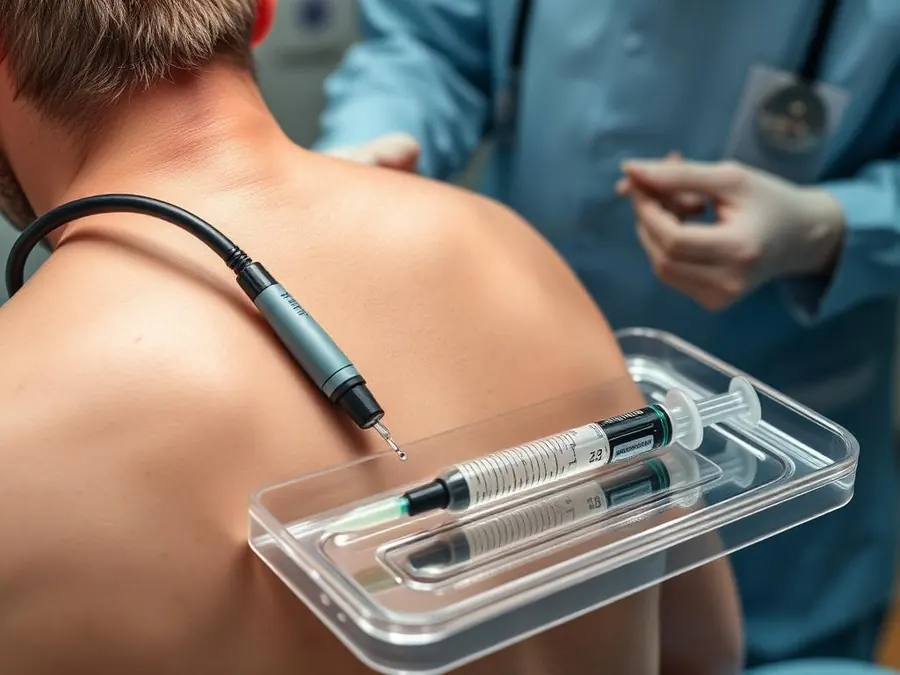
Thoracentesis, ICD insertion and pleural fluid analysis for effusion and empyema.
Comprehensive pleural-disease care including ultrasound-guided thoracentesis, pleural fluid analysis, medical thoracoscopy referral and management of pleural effusion, empyema and pneumothorax.
Pleural procedures include diagnostic thoracentesis, therapeutic drainage of large pleural effusions, closed pleural biopsy and, when needed, ultrasound-guided placement of a small-bore pigtail catheter. Performed by an experienced pulmonologist, they help both to confirm the cause of a pleural effusion and to relieve breathlessness safely.
The chest wall is numbed with local anaesthesia, so the procedure is generally described as pressure rather than pain. Mild soreness for a day or two is normal.
Only up to about 1–1.5 litres is drained in a single sitting to avoid re-expansion pulmonary oedema. Repeat drainage is planned if needed.
Uncommon risks include pneumothorax, minor bleeding, local infection or transient cough. Ultrasound guidance keeps these low.
Basic biochemistry and cytology screen are usually available within 24–48 hours; TB culture and specialised panels take longer.
Most diagnostic taps are done as an OPD or day-care procedure. Admission is needed for large drainage, biopsy or if a chest tube is placed.
The information above is educational and does not replace an in-person consultation. For a personalised plan, book with Dr Saurabh Bhatt (MD Pulmonology) at Samarth Chest Hospital & ICU, 4th Floor, RK Casta, Bharuch — call +91 90161 12968 or WhatsApp us.